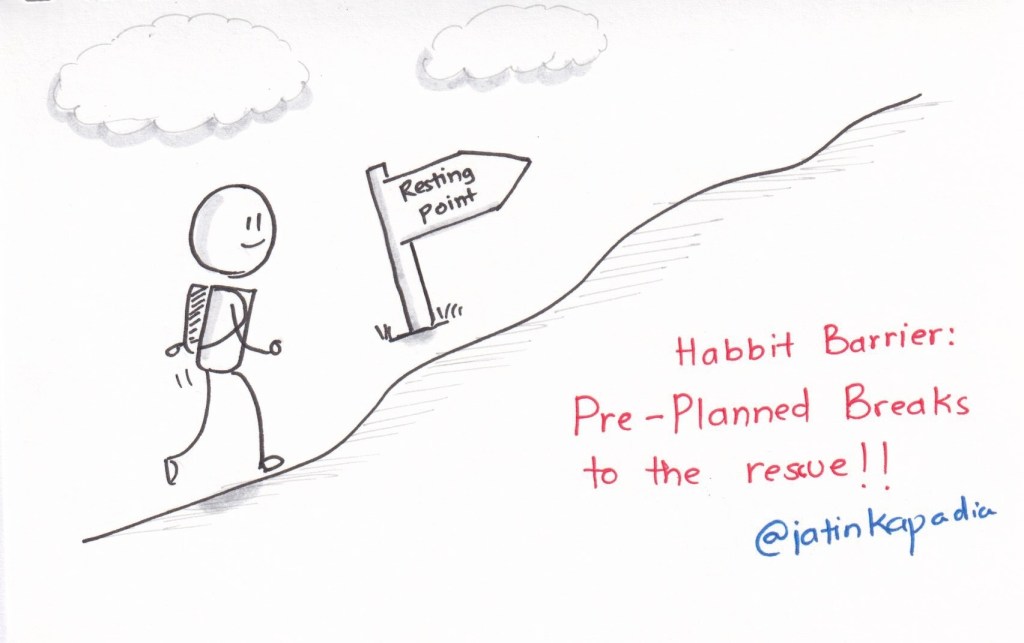
Starting a new habit is like climbing a mountain. The initial ascent is steep and challenging, filled with doubts and setbacks. But as you reach the summit, the view is breathtaking, and the journey becomes worthwhile. However, the climb can be daunting, and sometimes, you may feel overwhelmed by the sheer effort required. That’s where planned breaks come in. Just as a seasoned hiker takes strategic rest stops to regain energy and focus, you can use planned breaks to overcome the obstacles of habit formation. Forming new habits can be challenging due to our brain’s natural tendency to resist change. The brain is wired for efficiency, and it prefers to stick with familiar routines. Introducing a new habit disrupts this equilibrium, leading to feelings of discomfort and resistance.
The Benefits of Planned Breaks
Planned breaks can be a powerful tool for overcoming the challenges of habit formation. By strategically incorporating breaks into your routine, you can:
- Reduce stress and burnout: The constant effort required to maintain a new habit can lead to stress and burnout. Planned breaks provide opportunities to rest, relax, and recharge, preventing mental and emotional exhaustion.
- Prevent feelings of deprivation and resentment: When you’re constantly denying yourself certain pleasures or comforts in the name of habit formation, it’s easy to feel deprived and resentful. Planned breaks allow you to indulge in these pleasures without guilt, helping you maintain a positive mindset.
- Improve motivation and focus: Taking breaks can actually enhance your motivation and focus. When you know that a reward or break is coming, you’re more likely to stay committed to your habit and avoid procrastination.
- Prevent relapse: The most challenging part of habit formation is often the initial stages. Planned breaks can help you stay on track by providing a mental reset and preventing feelings of overwhelm.
- Promote long-term sustainability: By incorporating breaks into your routine, you’re more likely to sustain your new habit over the long term. Habits that feel enjoyable and manageable are less likely to be abandoned.
How to Implement Planned Breaks
To effectively incorporate planned breaks into your habit-building journey, consider the following tips:
- Determine the ideal frequency and duration of breaks: The optimal frequency and duration of breaks will depend on the specific habit you’re trying to form and your individual needs. Experiment to find what works best for you.
- Choose meaningful activities for your breaks: During your breaks, engage in activities that you enjoy and that will help you relax and recharge. This could include spending time in nature, practicing mindfulness, engaging in a hobby, or simply doing nothing.
- Schedule your breaks in advance: Planning your breaks in advance will help you stay committed and avoid last-minute excuses.
- Be flexible and adaptable: Life happens, and sometimes things don’t go according to plan. If you’re unable to take a break when scheduled, don’t beat yourself up. Simply reschedule it for the next best opportunity.
- Avoid guilt and self-blame: Remember, planned breaks are a tool to help you succeed, not a punishment. Avoid feeling guilty or self-blame if you take a break or slip up.
To give a personal example: To control my weight, I made a lot of changes to my diet as prescribed by my dietitian. I stopped eating out and stopped alcohol intake. It was not easy. With a planned break once a month, I could ease the transition though. It has been more than four years now with this.
Habit formation is a journey, not a destination. It requires patience, persistence, and a willingness to adapt. Planned breaks can be a powerful tool for overcoming the challenges of habit formation and promoting long-term sustainability. By incorporating breaks into your routine, you can reduce stress, prevent burnout, and increase your chances of success. So, the next time you find yourself struggling to stick to a new habit, remember the power of planned breaks.
What tips would you share for Habit formation?

 Jatin Kapadia